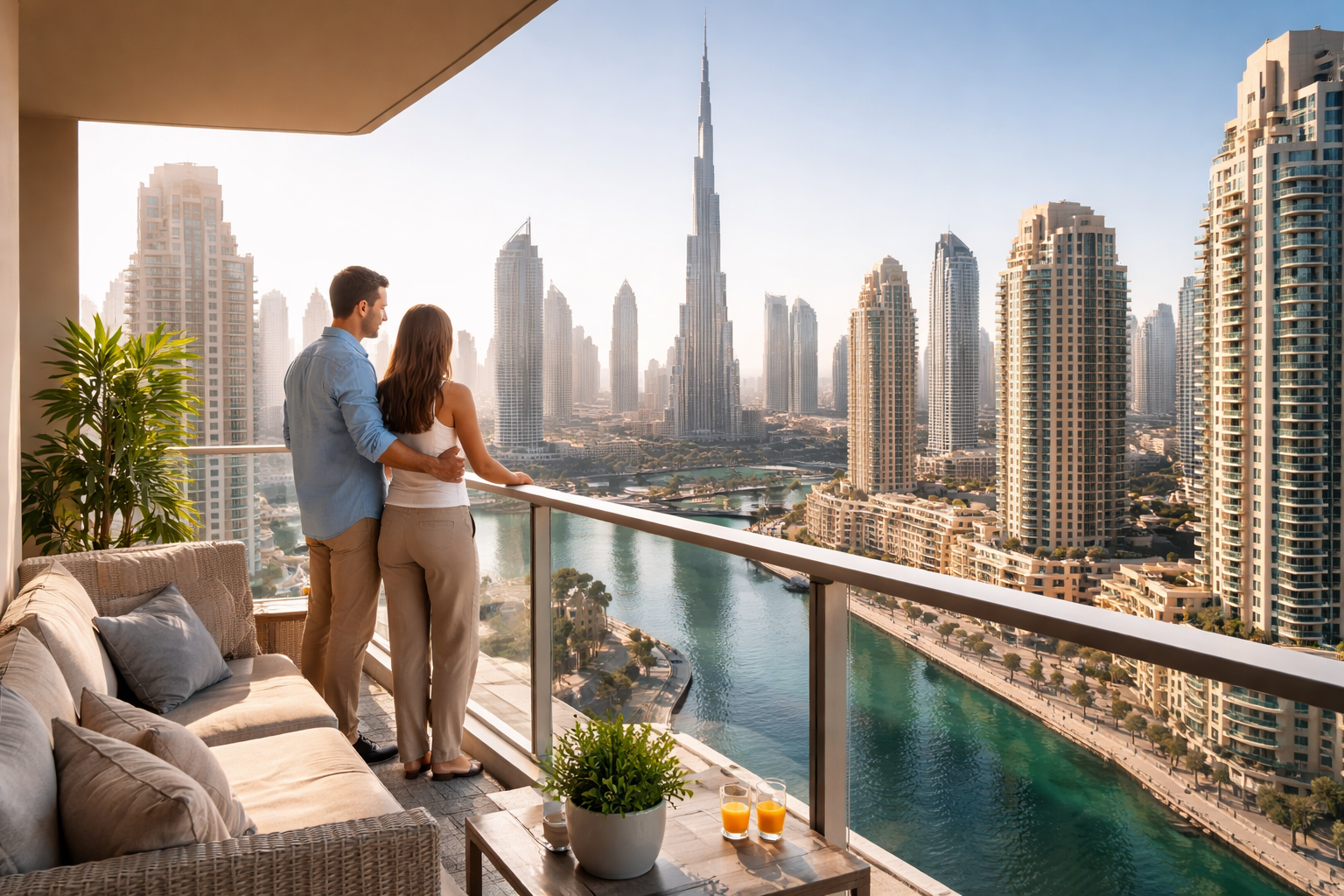
How did Dubai’s property market accelerate so sharply in 2025? The real estate sector did not simply follow trends but moved at a pace that surprised many. Activity increased across the city as listings disappeared quickly and competition intensified. Tenants rushed to secure homes, landlords saw properties rented faster than expected, and investors entered the market with growing confidence. A strong sense of urgency spread, where delayed decisions often meant missed opportunities. A closer look reveals the key forces behind this surge and how they shaped Dubai’s property market throughout the year.
Key Takeaways
- 530,000 rental contracts signed in 2025, with 62% being renewals, in a stable rental market.
- Villa rents surged by up to 30% in The Villa, Nad Al Sheba, and Dubai Festival City due to high demand.
- 203,000 property transactions worth AED 547 billion, with strong activity in off-plan and secondary markets.
- Dubai Marina, JLT, and Business Bay saw the highest apartment rental demand.
- The real estate market thrived in 2025, fueled by economic growth, tourism, and population growth.Which Areas Had the Highest Villa Rent Increases?
In 2025, several affordable villa communities in Dubai experienced notable rent increases:
- The Villa area saw a 30% increase in rents, with annual rents reaching AED 350,000.
- Nad Al Sheba experienced a 30% rise in rental prices.
- Dubai Festival City had a 27% increase in rents.These rent increases were driven by strong villa demand, mainly from families seeking more space. Landlords in these areas gained higher rental income as demand rose. Tenants faced higher rents, but many accepted the change because these communities offer larger homes, better facilities, and family-friendly surroundings.
What Percentage of Rental Contracts Were Renewals?
In 2025, 62% of rental contracts in Dubai were renewals, which says a lot about tenant behaviour. Many tenants chose to extend their leases because they felt comfortable in their homes and liked the facilities and the surrounding area. Landlords also benefited from this pattern because renewals reduced vacant periods and brought steady rental income, especially in established communities where demand stays high.
Which Communities Led Apartment Rental Demand at?
In 2025, Dubai Marina, Jumeirah Lake Towers (JLT), and Business Bay pulled in the highest apartment rental demand at, and the reason feels simple when you spend time in these areas. Offices are close by. Cafes, gyms, and malls are within walking distance. Metro access keeps daily travel easy. Tenants choose these communities because daily life feels easier and more connected. New arrivals also lean toward these locations since moving in feels less complicated. If an apartment search is on your list, these neighbourhoods deserve early attention because demand is high and options move fast.
How Many Property Transactions Happened in Dubai in 2025?
In 2025, Dubai’s property market saw 203,000 transactions worth AED 547 billion, with strong demand across the off-plan and secondary markets.
Off-plan Market
The off-plan market made for 132,000 transactions, and buyer interest in new developments stayed high. Investors found numerous opportunities in areas like Dubai Marina, Business Bay, and JVC, where turnover was highest.
Secondary Market
The secondary market recorded 71,000 transactions, with areas like Palm Jumeirah and Arabian Ranches seeing the most demand.
Landlords and sellers benefited from high buyer interest across different price points, while buyers had a wide selection of properties to choose from. The strong number of transactions and steady value growth highlighted the ongoing strength and activity of Dubai’s real estate market in 2025.
How Many Rental Contracts Were Signed in Dubai in 2025?
In 2025, Dubai recorded 530,000 rental contracts, with demand spreading across the city. Agents handled a large number of leasing deals in active areas. Landlords saw regular tenant enquiries and consistent rental income. Tenants had many options as new listings entered the market throughout the year. Buyers focused on rental hotspots because strong tenant demand pointed to solid investment returns. Overall, Dubai’s rental market moved at a strong pace during 2025.
GDP Growth and its impact on Dubai’s real estate market in 2025
In Q1 2025, the UAE economy grew by 3.9%, powered by non-oil sectors such as finance, manufacturing, and real estate. That growth brought more business activity and more people into the housing market. By Q2, GDP rose further to 4.5%, which added more confidence across property sales and rentals. A steady economy encouraged buyers to move forward with purchases and drew more investment into Dubai’s real estate market.
Dubai’s Tourism Growth and Hotel Occupancy in 2025
Dubai welcomed 17.55 million visitors in 2025, a 5% rise from the previous year, and this visitor flow added pressure on the property market. Areas popular for short-term rentals and prime locations saw higher demand as more tourists searched for temporary stays and investment options.
For Investors
Tourism growth pushed demand for short-term rentals in areas such as Dubai Marina, Downtown Dubai, Palm Jumeirah, and Business Bay. Higher visitor volume increased booking activity in these zones and raised the potential rental income for furnished apartments near attractions and business hubs.
For Landlords
With hotel occupancy at 80% in November 2025, many visitors moved toward holiday homes and serviced apartments. Landlords who owned units near beaches, malls, and tourist districts gained higher short-stay demand and better occupancy levels during peak travel months.
For Tenants
Tourism growth supported job intake across hospitality, retail, and transport sectors. New workers entered rental markets near work zones such as JLT, Business Bay, and Dubai Marina. This raised housing demand in central and metro-connected communities.
For Agents/Brokers
With more tourists visiting, agents and brokers can focus on the short-term rental market. The high hotel occupancy rate indicates that popular tourist areas are in demand. Brokers can guide investors to these high-demand locations to help them get the best returns.
For Buyers
Tourism growth raised rental demand in areas such as Dubai Marina, Downtown Dubai, Palm Jumeirah, and Business Bay. Buyers who targeted properties near tourist hubs gained access to stronger short stay rental income and higher occupancy potential during peak travel seasons.
For Sellers
High visitor numbers increased investor interest in holiday homes and furnished apartments. Sellers with units near beaches, malls, and major attractions saw more buyer enquiries and stronger interest from overseas investors seeking income-focused properties.
Conclusion
Dubai’s real estate market in 2025 saw strong growth with record transactions and high rental demand. Investors and tenants found many opportunities in residential and commercial properties, driven by a strong economy and a growing population. Landlords gained reliable returns from steady tenant interest, while buyers had a wide range of options in popular areas. The market had strength with high demand for new developments and existing properties. Dubai’s appeal to local and international buyers and renters grew as it solidified its position as a top real estate destination.
Trying to find the best areas to rent or invest in Dubai? Our full year 2025 property market report identifies top-performing apartments, villas, and townhouses based on tenant interest and rental growth.
Ready to Invest in Dubai Off-Plan Real Estate?
Access priority developer allocations, full AED & multi-currency pricing, and Golden Visa structuring with 369 Capital Ventures — or download our 2026 Dubai Off-Plan Playbook.
Read more
Best free zones in Dubai: A complete guide
Explore Dubai free zones, business setup options, mainland rules, costs, and the best areas to live near major free zones in Dubai.
BAY360 & W Residences Dubai: JLT's New Lifestyle Chapter
BAY360 brings Spinneys, 13 restaurants and rooftop padel to JLT — plus fresh momentum for W Residences Dubai. See prices, payment plan and handover.
Top Off-Plan Projects in Dubai Islands
Explore the top off-plan projects in Dubai Islands, including prices, payment plans, handover dates, rental yields and investment opportunities.